3 Stories of Late-Blooming Sign Pros
Late-career pivots after decades in different fields.

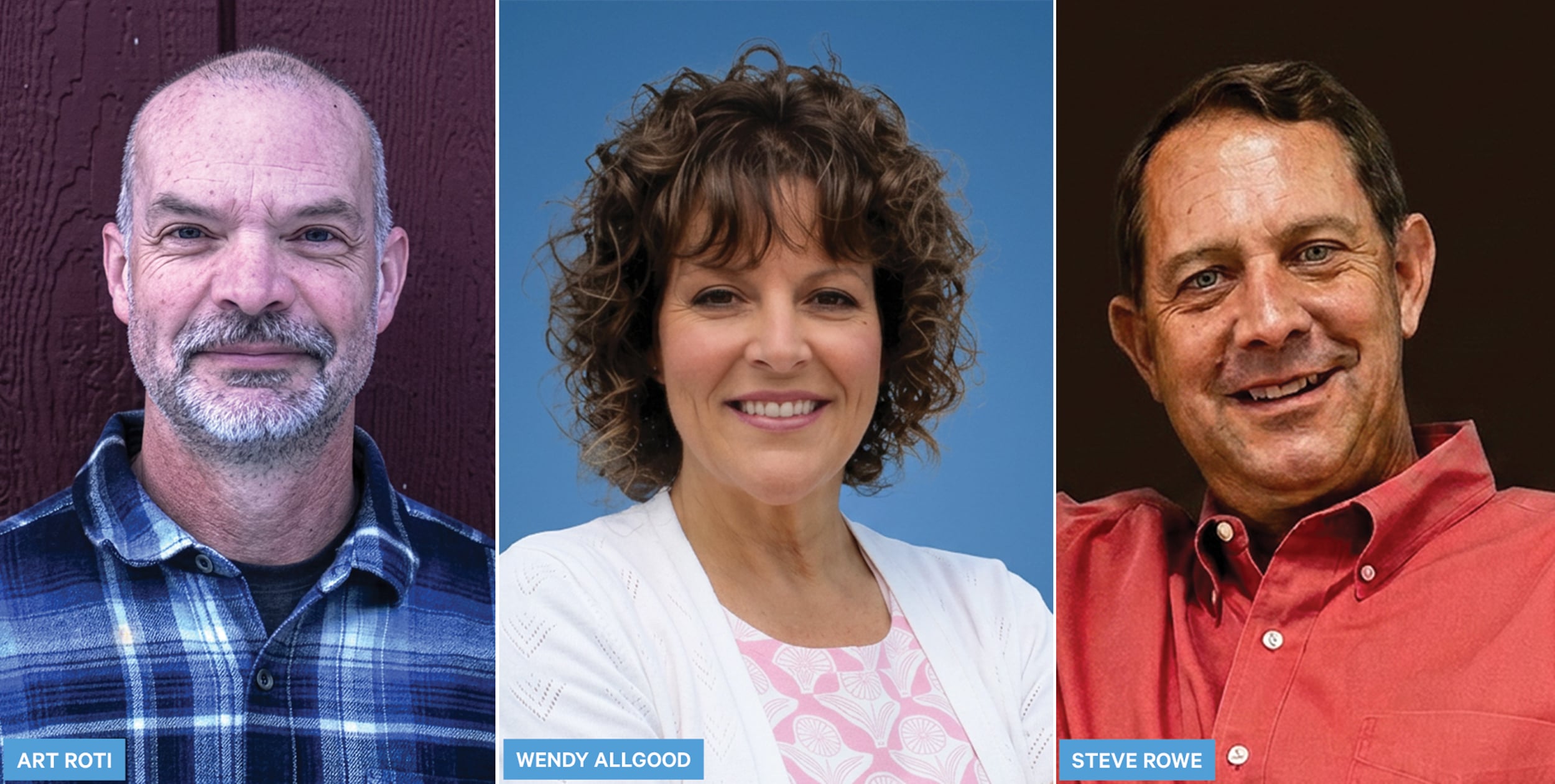
THE CLASSIC SIGNMAKER’S narrative follows a family business passed down from one generation to the next, and with it the technical know-how of the trade. But not everyone who ends up flourishing in signs got their start in a signshop, with some only entering the industry after several decades in a different field. Below, three of those late bloomers tell their stories.
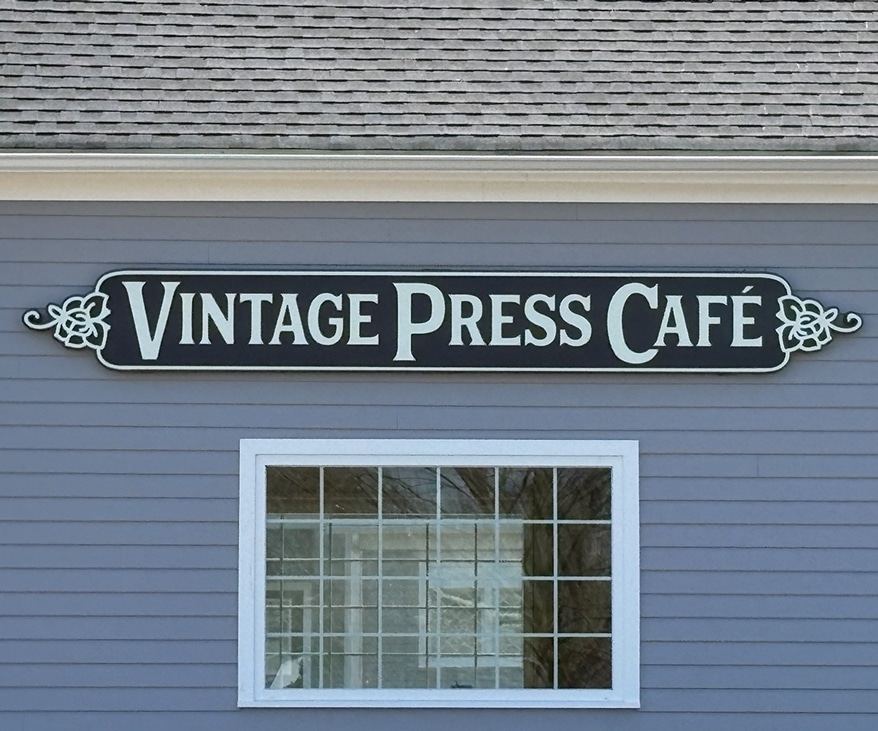
One of the sign projects by Belmeade Signs (Granby, CT). Art Roti knew they would specialize in CNC signage since he acquired the shop.
From Aerospace to Signs
After nearly 30 years of management for an aerospace contract manufacturer, plus three years managing a factory producing medical devices, Art Roti decided to pivot when the opportunity for a career in signs came to him.
“Originally it was meant for my son who wanted to take a gap year from college, and he’s very hands-on and good with computers,” Roti says. Encouraged by his son, he reached out to the proprietor of a company that was being put for sale, but what was supposed to take only a couple of days turned into months. He purchased the company, now Belmeade Signs (Granby, CT), at the end of summer intending for his son to operate it.
What Roti enjoys most about working in signs is the variety: Every day brings something different, be it engineering, customer relations, sales or hiring. “The sign business has been awesome from the standpoint of learning about all these different businesses. One day you’re talking to a bank, the next a restaurant,” he says.
Such a variety brings its own fun challenge, namely figuring out the most suitable type of sign for each customer. Getting customers to respond, on the other hand, is a tough challenge. “As much as the signs are important, it’s not what gives them a paycheck,” Roti says, so he advises late bloomers and newcomers to the industry alike to always have a business plan and network as much as they possibly can.
“That was a huge learning curve for me coming from the aerospace industry. I had a lot of fixed customers I had to give attention to. Going to chamber of commerce meetings, networking groups would not help me then, but now they can help from a word-of-mouth standpoint,” Roti explains. When he purchased the company, he knew they were going to specialize in CNC signage. Belmeade Signs has since expanded to include printed signs, vehicle decals and installation, though they are not large enough to fabricate large signage that requires a crane. Therefore, Google Reviews and word of mouth have gotten them the most attention.
Not plunging into too many fixed costs right away is another piece of advice Roti wants to share. “Build it, be tight, be cramped. Know that you can build a business that can justify a bigger space because otherwise you’d be spending a lot of money on spaces that are not being used.”
Advertisement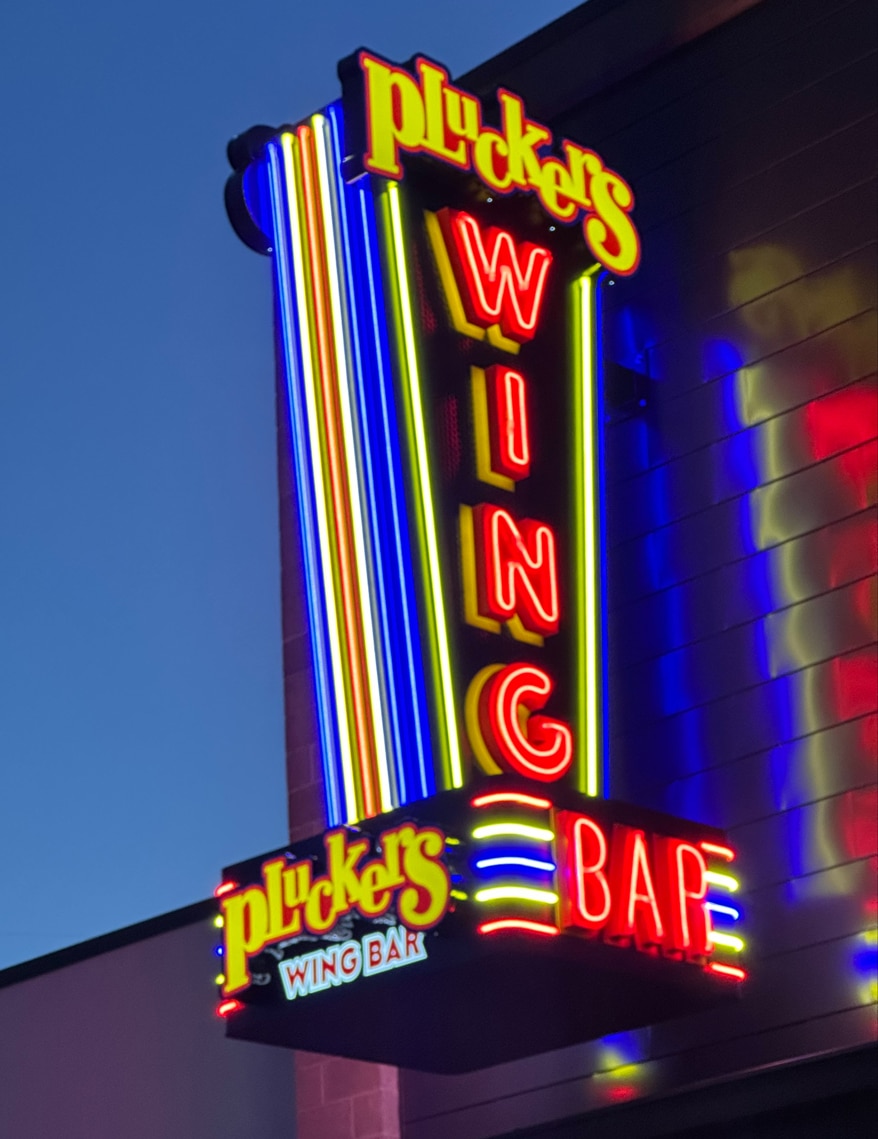
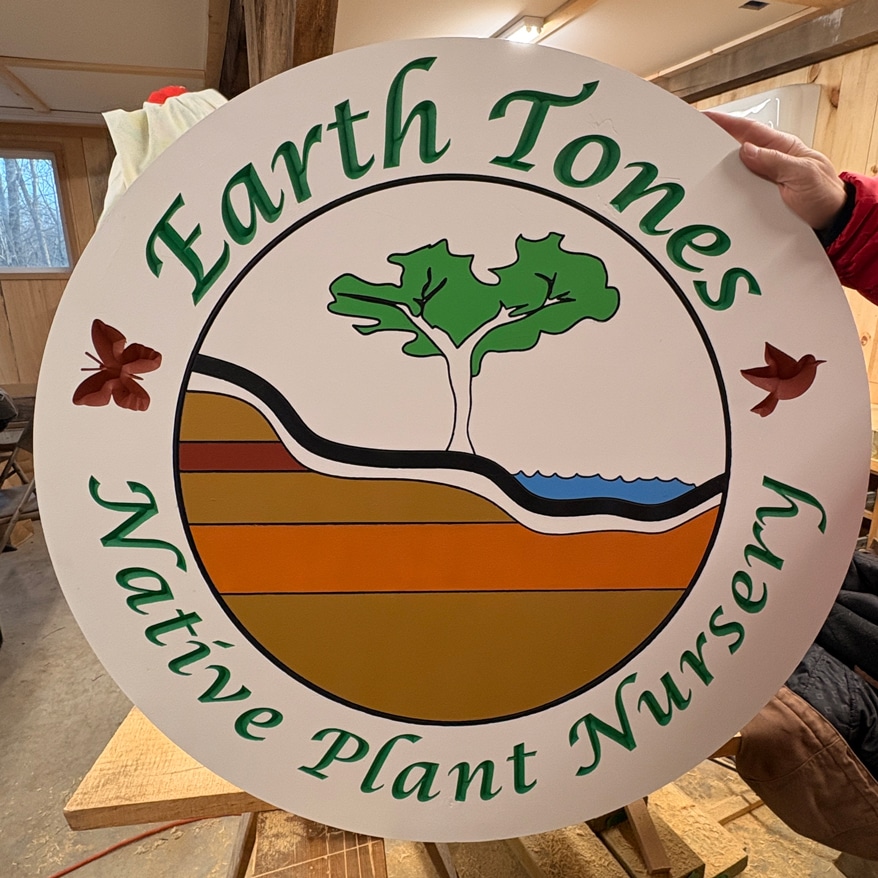
One of the sign projects by FSG Signs (Austin, TX). Wendy Allgood is proud of the work she has done.
From Caretaking to Signs
Wendy Allgood was providing round-the-clock elderly care, plus cleaning houses and offices, for about 20 years. One of her clients had passed away just before her 94th birthday, and Allgood decided she might need a change of pace.
“I said to myself, ‘You know what? I can’t keep doing this. I don’t have paid vacations, I don’t have paid time off, I don’t have paid holidays. If someone calls in sick, guess who’ll have to do it? Me,’” she says. “When you do that kind of job, it has to be done. You can’t just not show up.”
Allgood was friends on Facebook with the owner of a local sign company. She had seen his posts about employee appreciation days as well as a posting for a project manager, so she contacted him for an interview. While she lacked the signage experience for the position, the owner called her back a couple weeks later saying that she would be hired as a receptionist.
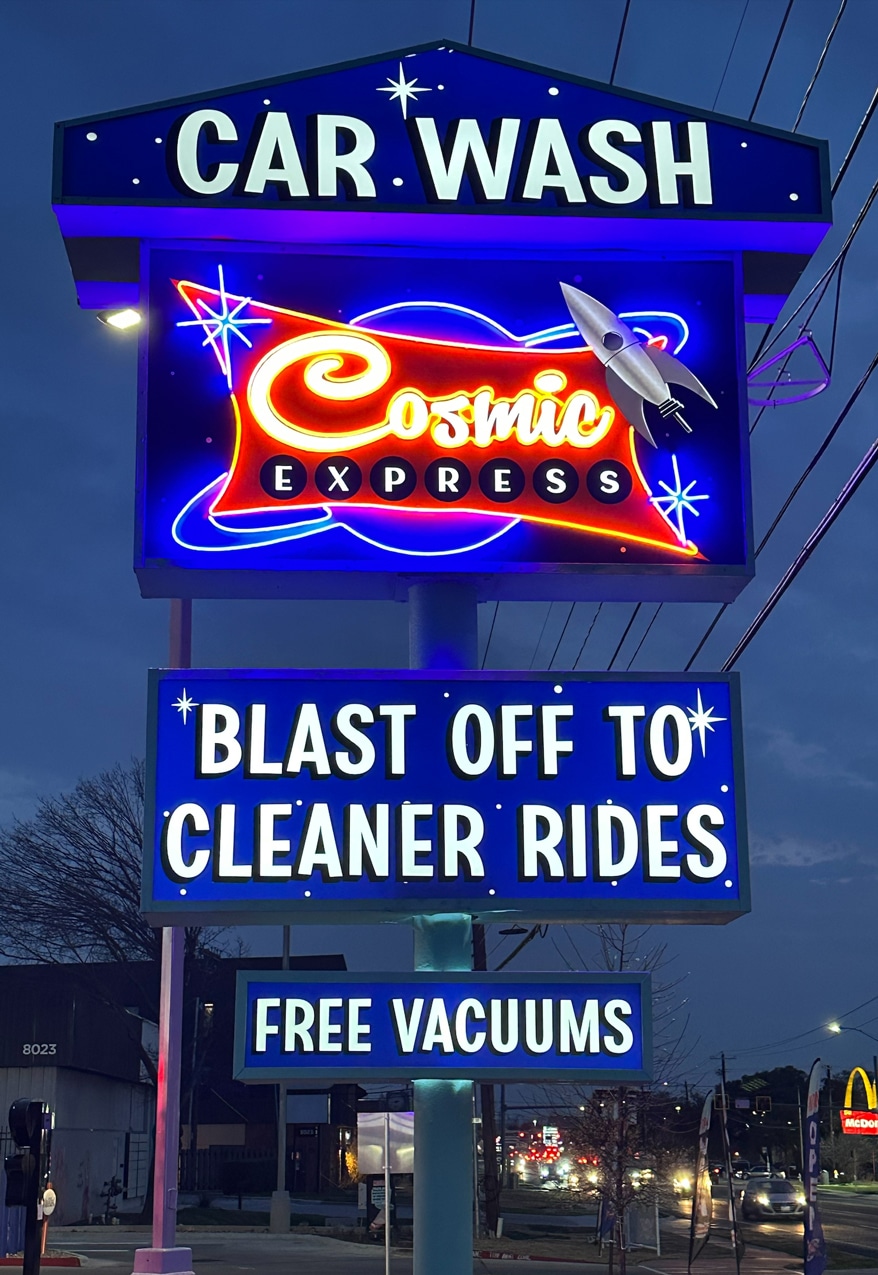
Within 10 years Allgood advanced to director of permitting for FSG Signs (Austin, TX), by showing initiative and enthusiasm at a crucial moment. “We did not have enough business for a full-time permit person so he was let go,” she recalls. “We had a big meeting at the table. They said, ‘We’re going to need help. Who’s going to take over these tasks?’ And I said, ‘I want permitting!’ Everyone laughed at me except for the vice president, who said, ‘That is the kind of energy we need.’”
Her greatest challenge comes from working with unresponsive people. Not every jurisdiction is receptive to her input on permitting, and she has to remain persistent if she wants to get ahold of someone who can provide the right information. “Everything is email and no answer … Sometimes you’ve waited so long and the answer is just a simple, ‘Oh, you don’t need permits there,’” she says.
Persistence is exactly what Allgood advises to other late bloomers and newcomers to the industry, as well as trying out different positions for a day or a week to better understand what is needed, and why, when employees request information. Given her advancement experience, she also stresses the importance of initiative: “Always raise your hand. Sometimes they tell you no, but the one time they tell you yes, that might be the only chance you need.”
Advertisement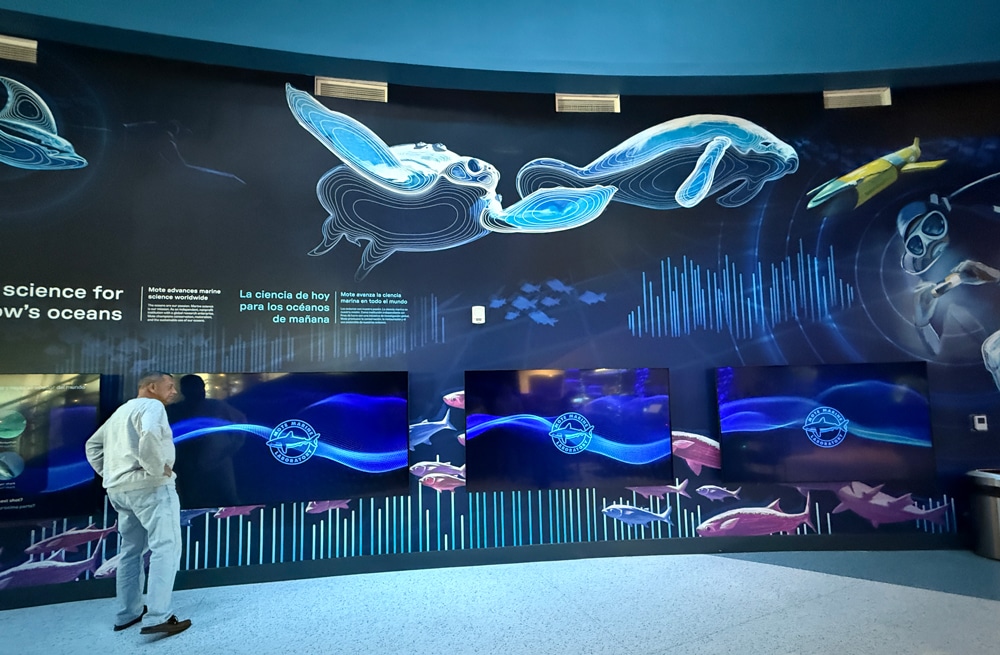
One of the interior signs by SpeedPro Affinity Solutions (Sarasota, FL) for Mote Science Education Aquarium.
From IT to Signs
Before entering the sign industry, Steve Rowe, SpeedPro Affinity Solutions (Sarasota, FL), was chief information officer for a multinational chemical company’s North America and Asia Pacific regions, managing teams of 75 and 500 in those areas respectively. Having spent his career overseas, he decided to retire to help the company reduce costs and returned to the US, where he identified a local company that could be his new gig.
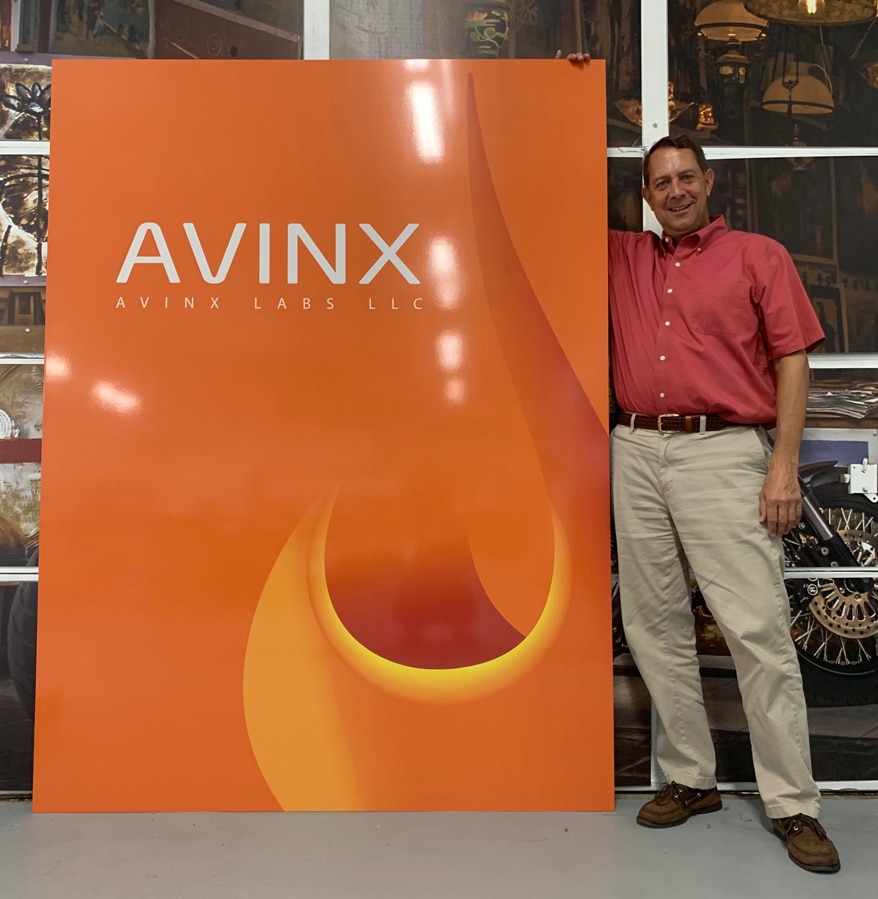
“I’d been doing IT for 35 years. I started with computers when you had to put print line commands in your files to tell the printers where to use page breaks,” Rowe recalls. “I found out I could produce imagery, which I’d always been interested in. With my background in technology it seemed like a good fit.”
For Rowe, signage provides a marked contrast from IT where results are produced in software and thus invisible. “You don’t see happy or sad people. In signage you produce tangible products, something people can see and touch. It fills that void where I was seeing the fruits of my labor, not just hearing about them,” he says.
As a late newcomer to the industry, he had to teach himself the different components, ink processes and application methods. “If I’m interested in something, I really put my heart and soul into it. It gives me a place to direct my energy and teach myself this business,” he says.
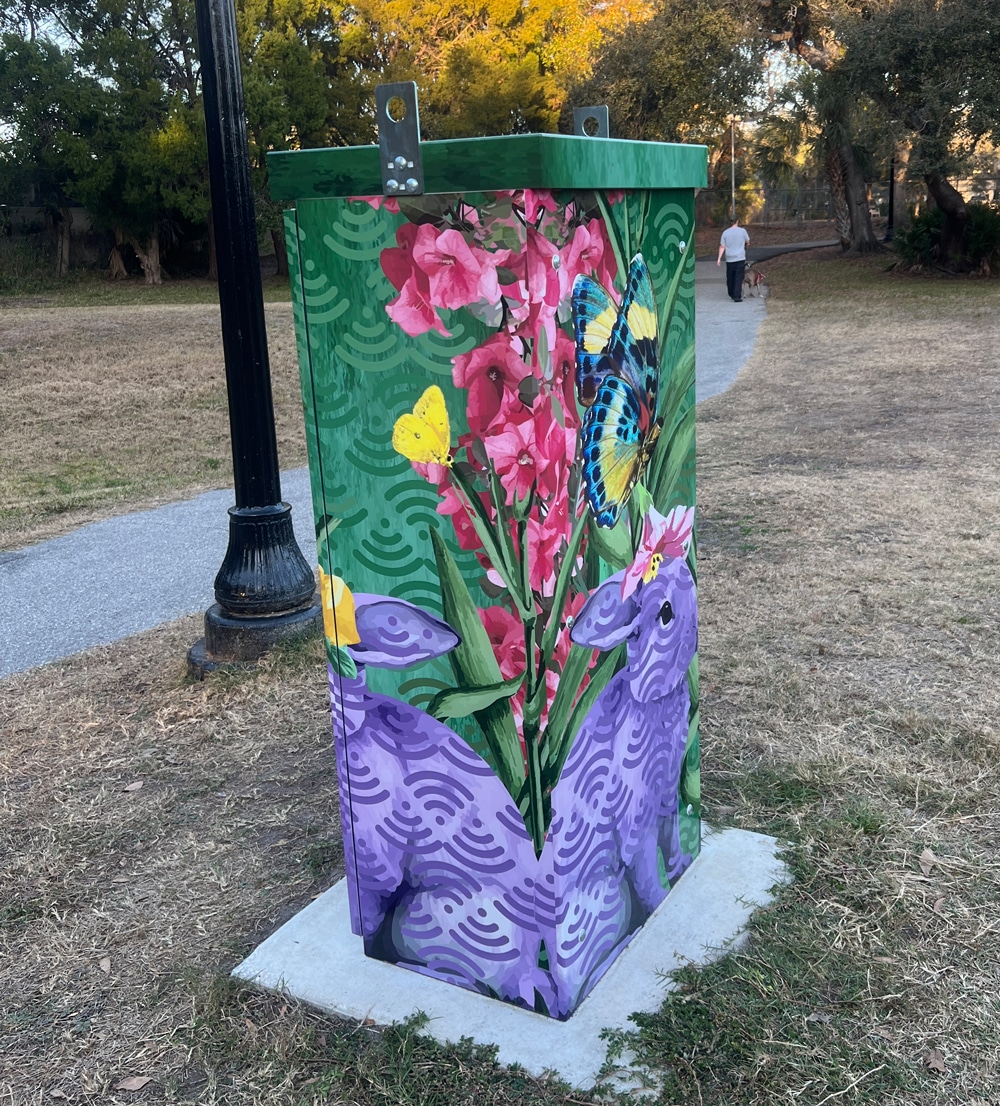
The day-to-day challenges that he faces are typical: finding good employees, dealing with different municipalities and jurisdictions along with their requirements. Architects who are unknowledgeable about signs present a particular problem, and he often plays a consultant role to help them describe signs more appropriately for the jurisdiction.
Rowe advises other newcomers to enter signs not just to fulfill a ROI, but to have true passion for the work they do. “If you think you’re going here just to recoup your investment, that’s the wrong attitude to have for a young person. You need to look at it as a long-term process, not a short-term turnaround: make a few bucks and retire $2 million richer. You need to do something you’re passionate about, something that is exciting. Then this is the right thing for you.”
Advertisement

Secrets of Lead Generation
Boost your sales by generating more leads! In this light and lively webinar featuring Maggie Harlow, CEO of Signarama Louisville Downtown (Louisville, KY) and the “Business of Signs” columnist for Signs of the Times, learn the secrets of how leads are generated, where they come from and how you can cultivate better (not just more) leads.









Bulletins
Get the most important news and business ideas from Signs of the Times magazine's news bulletin.
-

 Buzz Session2 weeks ago
Sign Pros on Bidding Too High and Turning Down Projects
-

 News2 weeks ago
Dean Blazek “Follow the Signs” Book Available
-
 Dale Salamacha5 days ago
Sign Company’s Fire-Inspection Fiasco
-
 Russell Toynes7 days ago
Better Sign Design
-

 News2 weeks ago
Neon Baby Chick Sign in Petaluma, CA Restored
-
 Paul Ingle2 weeks ago
The World is Tired of Flat
-
 News2 weeks ago
PRINTING United Alliance Announces 2026 Pinnacle Award Winners
-
 Education2 weeks ago
Building Signs, Building People