Russell Toynes
Better Sign Design
Design signs for the brand, not the logo.

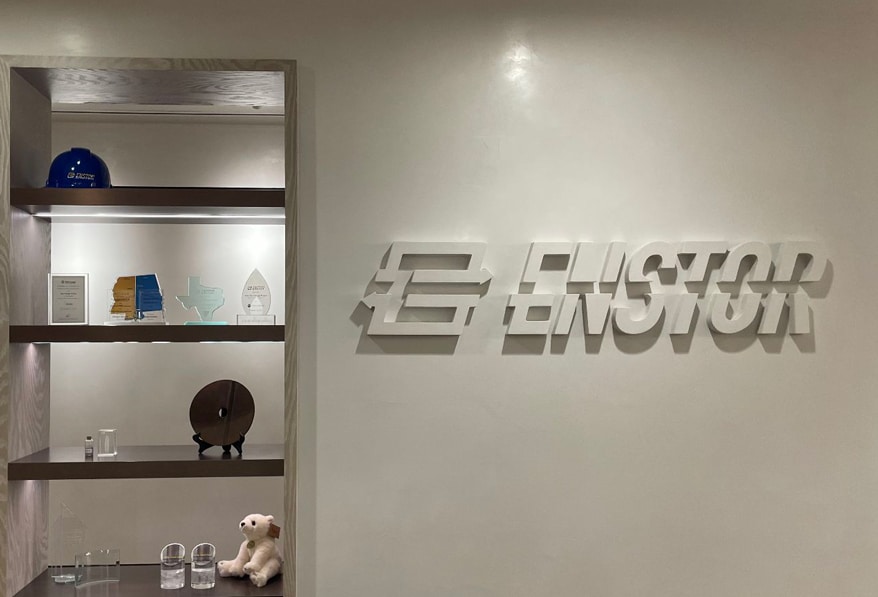
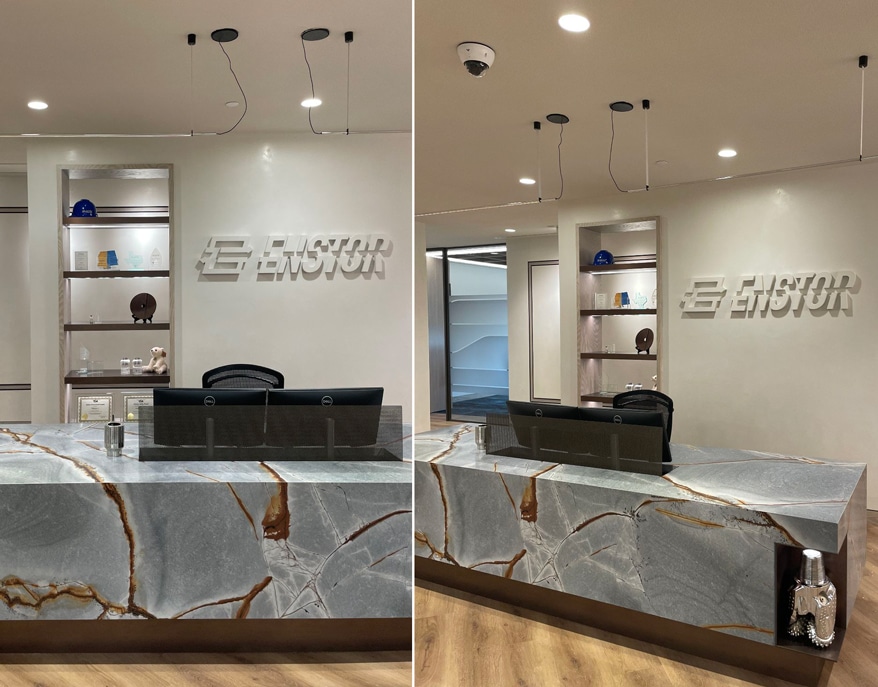
WHY DO PEOPLE STAND in front of a $50M building to take pictures of its $50,000 sign? Better sign design isn’t about making something cool and unique. It’s about solving a problem, making a connection and creating an experience. For sign designers to craft truly memorable signage, they must look past the logo and understand their client’s brand, audience, space and intent.
The Brand
What’s the difference between a brand and a logo? Most understand a logo to be a visual symbol that identifies a business. But what is a brand? Christian Helms, founder and creative director of Helms Workshop, explains it perfectly:
“Your brand is not your logo, color palette, or typography. Your brand is the summation of how people think and feel about your business — the sum total of all the impressions a customer has based on every experience they have had with you, your company and your products or services.”
While a brand includes logos and colors, much of what we perceive is based on previous experiences. Branding developed by design professionals intentionally conjures a specific vibe. Understanding these nuances beyond the basic graphic elements provides designers with the fodder they need to create truly immersive environments.
Advertisement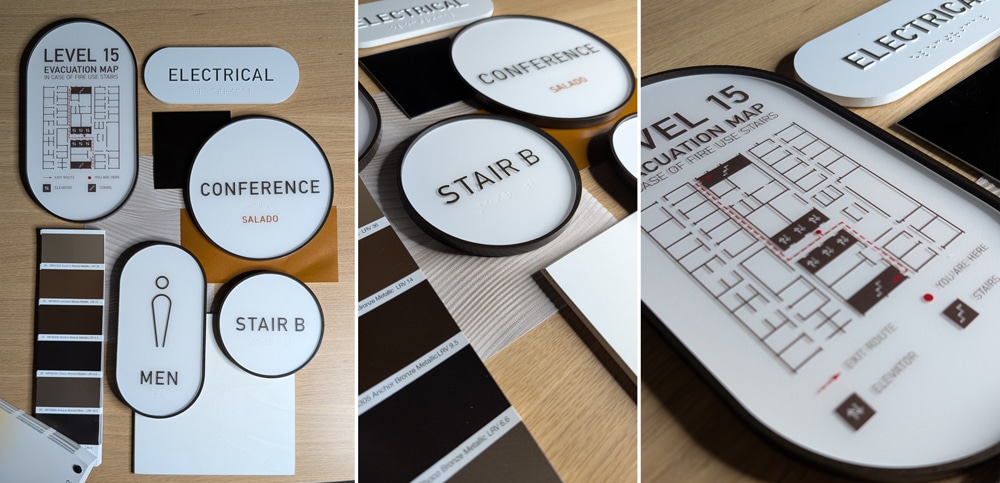
The Audience
Understanding a client’s audience and how they perceive the business heavily influences signage design. During kickoff meetings, we always ask who the audience is, what they expect from the brand and what matters most to them, whether that is price, products, customer service or the environment itself. These are questions the client should answer clearly, and no designer should feel silly asking them. Signage directly shapes the physical experience, which means you must design for the people using the space.
The Space
Analyzing the physical environment is an obvious step for any sign designer. But beyond local sign codes, ADA requirements and defined rooms, there are always hidden opportunities for engaging “sign moments.” Vestibules, elevator lobbies, alcoves and niches are just a few places where branded touchpoints can elevate the overall experience.
This is where understanding the brand is vital. Anyone already inside the building knows where they are; no need to aggressively repeat the logo. Instead, a message in the brand’s distinct voice and tone, a relevant connection to the users or an unexpected interactive installation can make a memorable impression that visitors want to capture and share.
The Intent
We must always ask: what is the intent for this specific space? Without understanding a space’s core function, we can’t accurately design effective signage.
Consider this scenario: A popular barbecue truck, famous for brisket and long lines, is opening their first brick-and-mortar. To keep things moving, they expect customers to know what they want when they reach the counter. Handpainted iconography paired with large-scale type listing menu items and prices above the counter might be the request. But what happens if they need to change a price or add an item? As designers, it’s our duty to understand not only how the business intends to utilize the space but also how their users do. Early conversations about operational intentions ensure your team explores flexible design solutions that solve today’s problems while anticipating tomorrow’s challenges.
Crafting Through Collaboration
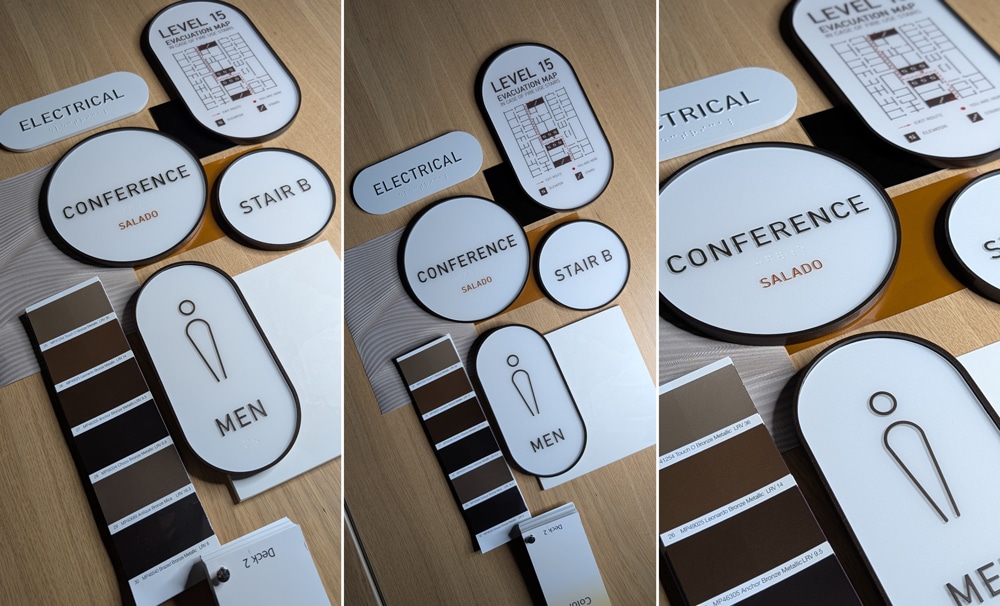
Balancing the brand, audience, space and intent ensures you aren’t just slapping a logo on a blank wall. Instead, you are crafting moments that connect with users, complement the architecture and strengthen the business.
The best way to achieve this is to bring everyone to the table early. Sales, project management and design teams should all participate in the initial client kickoff. A signshop that offers this holistic approach doesn’t just set the project up for success; it showcases its own brand values, purpose and process.
Don’t forget: Your shop is a brand, too. What impression do you want your customers to walk away with?
Advertisement

Secrets of Lead Generation
Boost your sales by generating more leads! In this light and lively webinar featuring Maggie Harlow, CEO of Signarama Louisville Downtown (Louisville, KY) and the “Business of Signs” columnist for Signs of the Times, learn the secrets of how leads are generated, where they come from and how you can cultivate better (not just more) leads.








Bulletins
Get the most important news and business ideas from Signs of the Times magazine's news bulletin.
-

 Benchmarks2 weeks ago
5 High-Performance Vehicle Graphics Projects
-

 Buzz Session1 week ago
Sign Pros on Bidding Too High and Turning Down Projects
-

 Paul Ingle2 weeks ago
120 Years of Signs, and I’ve Seen 41 (Mostly)
-

 News1 week ago
PRINTING United Expo 2026 Preview
-
 Signs of the Times1 week ago
August 1936 Signs of the Times Focused on Outdoor Advertising
-
 News1 week ago
Dean Blazek “Follow the Signs” Book Available
-

 News1 week ago
Neon Baby Chick Sign in Petaluma, CA Restored
-

 Education6 days ago
Building Signs, Building People