Product Buying + Technology
Wide Format Printers for Signs
Size can really matter with digital printing.


THE AVERAGE JOE on the street would consider anything bigger than 8.5 x 11 in. a wide format print. Of course, we’re all signmakers and today 54 to 60 in. is considered about normal for a digital printer. Heck, 60 in. is 5 ft. Think you need anything bigger?
There are, of course, numerous reasons to want a print size with greater width. You can piece prints together to create larger-size prints but it takes a degree of precision and time to ensure that the seams butt together properly. You may even wind up having to print a small strip that wastes a lot of media. Producers of soft signage cannot easily match prints together unless they have an employee skilled with seams in house. How often have you wished that you could just print a little bit wider?
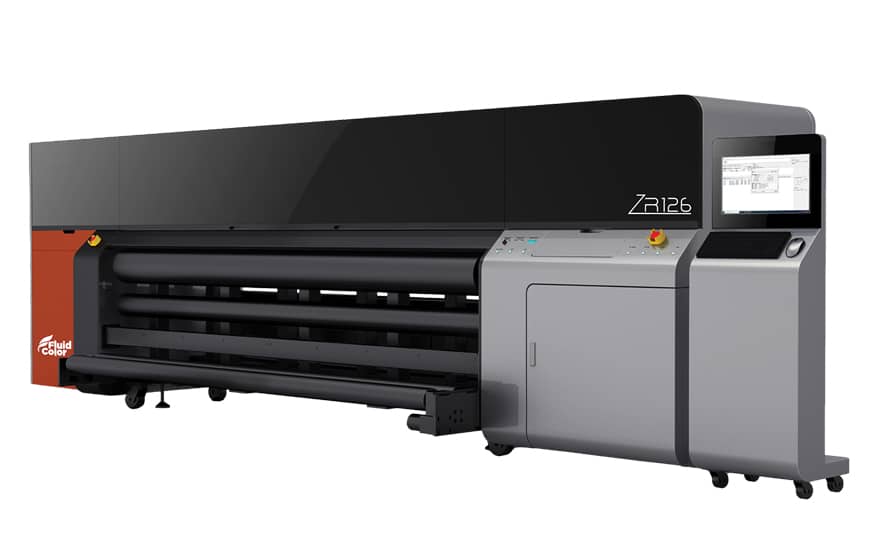
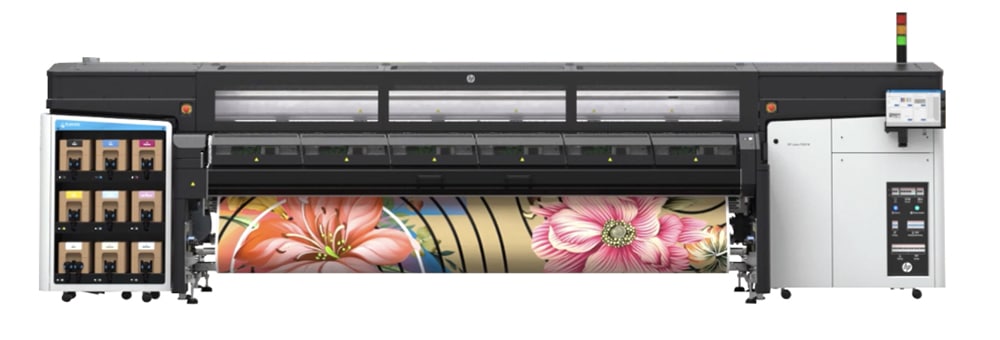
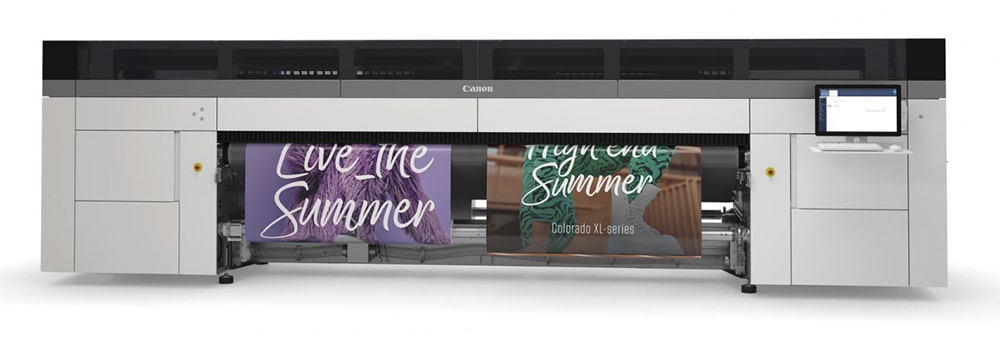
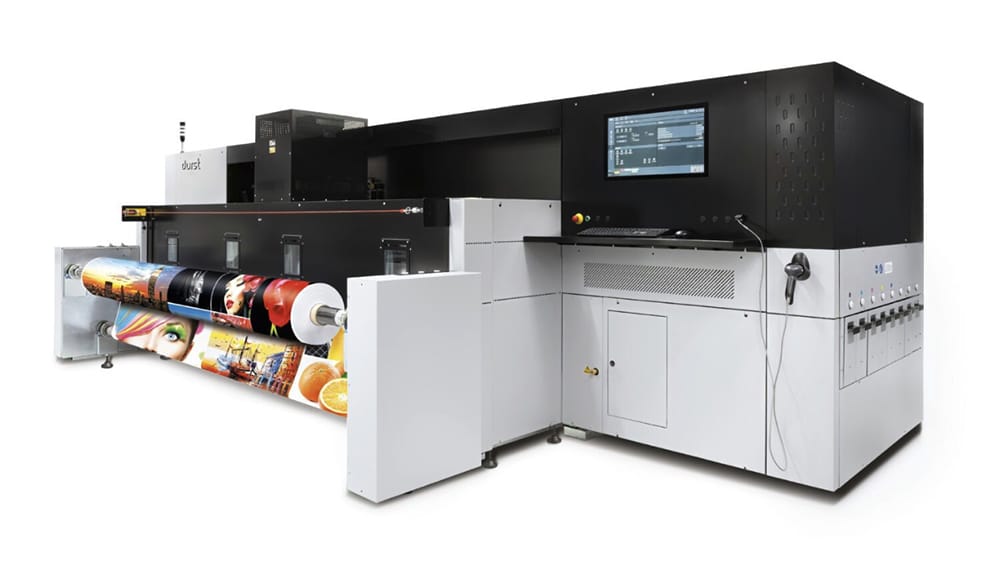
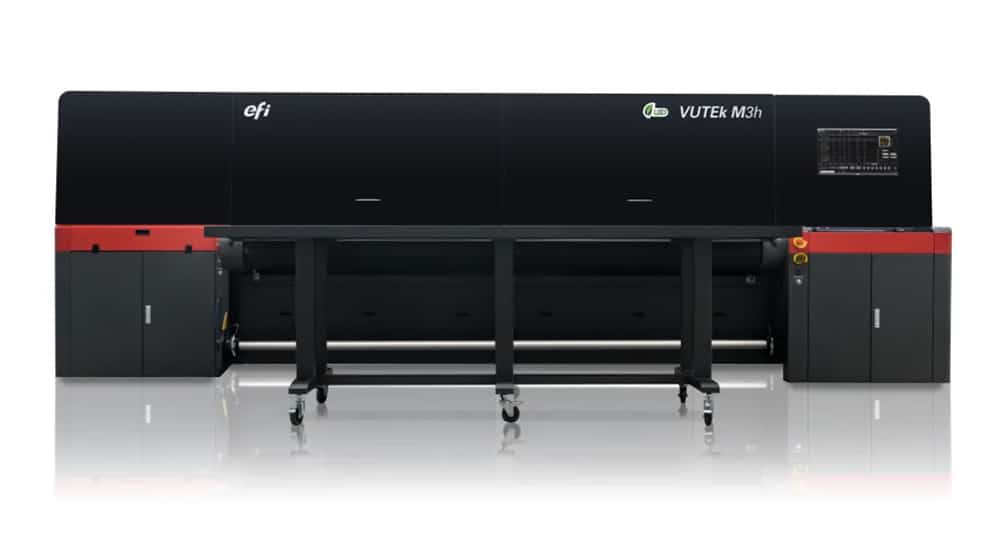
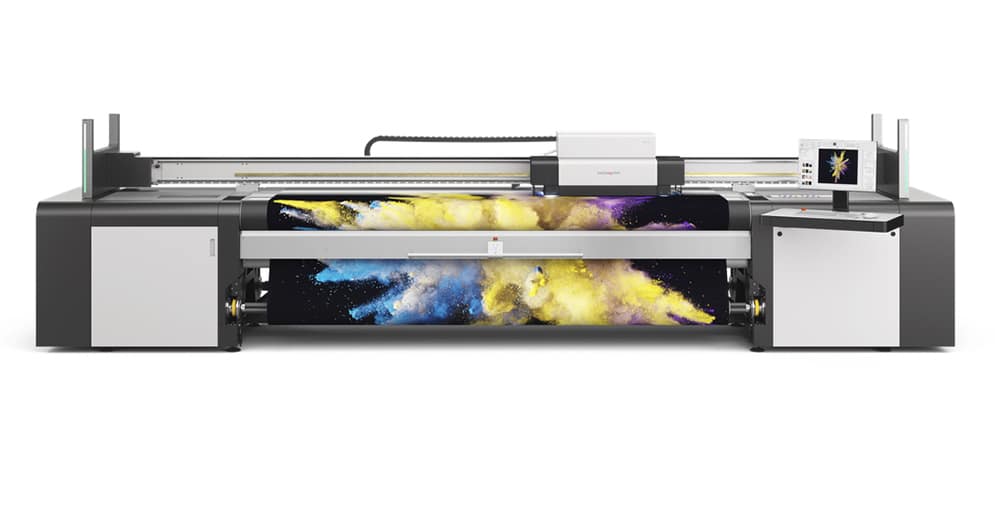
A number of printers on the market can handle print widths up to and over 10 ft. Want to print an 8-ft. panel for a billboard? No sweat. Need to produce large cloth banners or flags? Large backlit signs, displays, you name it — these printers can handle the job. So are there any gotchas? Of course there are.
AdvertisementBefore jumping into the grand format world, you need to make sure that your shop has the space. Remember that 10 ft. or more is just the printing width and not the total width of the printer. Most of the workhorses are UV or latex and generally have extensive electronics to handle high speeds and the movement of heavy media rolls. In addition, you don’t want to change ink every five minutes, so these printers generally have generous ink reservoirs. Don’t expect to plug into a free 120V socket — you will more than likely have special electrical needs.
Also be aware of media needs for one of these printers. Many are designed to work 24/7 and will accommodate large rolls of media. You could be looking at rolls weighing over 500 lbs. Some printers have loading-assist features but you still have to get the roll in position.
If you are good to go with the requirements, you will reap some amazing benefits. Many printers can handle two smaller rolls of media at the same time, allowing you to really up the production. Most of these machines are very fast, ranging from 1,000 sq. ft./hr. up to 5,000-plus. You can also find some of the machines that can handle a rigid media table, thus giving you two printers in one. The bottom line is that you really need to work out your business case and find the printer that fits your needs.
To wrap up, we also want to talk about cost. To get all the bells and whistles you are probably looking at $500K and up. If you are a medium-size shop and just looking for a wider, more flexible printer, you can find models in the $70K to $100K range. The benefits are great — just like their size.
PHOTO GALLERY (6 IMAGES)

Secrets of Lead Generation
Boost your sales by generating more leads! In this light and lively webinar featuring Maggie Harlow, CEO of Signarama Louisville Downtown (Louisville, KY) and the “Business of Signs” columnist for Signs of the Times, learn the secrets of how leads are generated, where they come from and how you can cultivate better (not just more) leads.





Bulletins
Get the most important news and business ideas from Signs of the Times magazine's news bulletin.
-

 News4 days ago
2026 Women in Signs Awards Winners Announced
-
 Jameson Parker2 weeks ago
Signshop Layout, Part 1
-

 Business Management1 week ago
Smart Frugality Strategies for Sign Companies
-

 Ask Signs of the Times1 week ago
Creative Ideas to Drive New Sign Business
-

 News2 weeks ago
Girls Who Print Announces 2026 Print HERstory Month
-

 Buzz Session1 week ago
70% of Sign Pros Have an Opinion on Industry Mergers
-

 Russell Toynes2 days ago
Adding That Little Extra to Sign Designs
-
 Signs of the Times2 weeks ago
May 1973 Signs of the Times in Tune With Contemporary Sign Design