Maggie Harlow
3 Steps for Performance Appraisal Preparation
Clear expectations, big picture in mind and honesty.

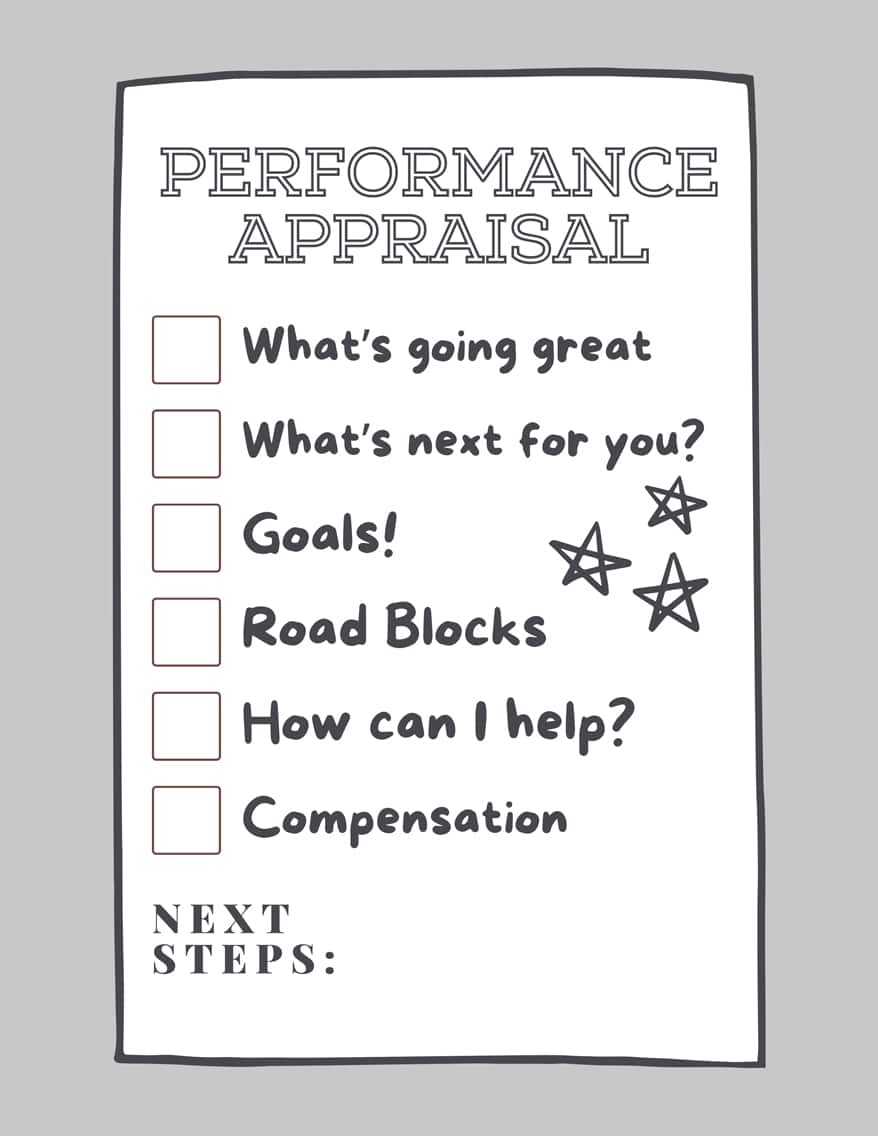
PERFORMANCE APPRAISALS (I think) are the single most dreaded “management task” for both the managers and the employees. It’s dreaded for many reasons: conversations can be difficult, conversation can devolve into argument and outcomes are often unpredictable, leaving both participants unclear on the value.
Bad outcomes range from “What just happened?” to “I quit.”
Preparing for the performance appraisal can help everyone avoid negative outcomes and create a clearer path forward for the employee, the manager and the company.
I’ve got three simple strategies to help you reduce your worry and walk out with more clarity and direction as a manager.
- Create clear expectations in advance. When you hire, let them know what the appraisal will include and what purpose it serves. How often? What form or discussion will be included? Will raises be discussed? Let them know who will be in the room and invite them to give feedback to leadership as well. Be sure you give feedback to employees regularly, all year long, and use the appraisal to help set goals and create a plan for growth and development of the employee. If you don’t do appraisals and are ready to start, keep it simple! Plan it around the employee anniversary and start with one page listing open-ended questions.
- Keep the big picture in mind! Be sure you set your vision on the overall performance and don’t turn the conversation into nitpicking or “dumping” all your feedback at once. Is the employee doing great? Would you rehire them? If they are looking for more income and opportunities, what would you need to see from them for that to happen? Focus on behavior, not feelings. “Be on time” is specific. “Be more responsible” is vague. Take time to consider what strengths the employee brings to the table and highlight those and then help them chart a path forward for the coming year. If you don’t see a “path” and instead see them in the ideal role without a chance for opportunity, tell them. If they are, instead, an employee you are ready to release, make that clear: “Change your behaviors, here are the behaviors, here is their impact, and if you don’t, you will not have a job.”
- Be honest. This can be the most challenging call to action of all. Honesty is the greatest thing you can offer both an under-performer and a high-performer. Treat employees with respect by being totally candid and trust that the outcome will be best for all. If you are miserable with the employee, prompt change or departure.
If you feel the employee is good but could be great, ask them to step up in specific ways. And if you have a superstar on your hands, shower them with positive feedback and find out how you can make them feel even more supported.
For me, the appraisal processes can serve a critical role in opening dialogue and creating greater understanding and alignment.
Don’t use your appraisals to unload on or beat up your staff. Use it as a chance to chart the future, talk about positive performance and set goals that your team can aspire to!
Design your appraisal process around what kind of results and conversation you want to be having with your team. Just don’t skip the process and rob your team of the opportunity to talk big picture and create personalized goals.
Advertisement

Secrets of Lead Generation
Boost your sales by generating more leads! In this light and lively webinar featuring Maggie Harlow, CEO of Signarama Louisville Downtown (Louisville, KY) and the “Business of Signs” columnist for Signs of the Times, learn the secrets of how leads are generated, where they come from and how you can cultivate better (not just more) leads.










Bulletins
Get the most important news and business ideas from Signs of the Times magazine's news bulletin.
-

 News1 week ago
2026 Sign Contest Open for Submission
-

 Benchmarks2 weeks ago
5 Industry-Changing Historic Signs and Techniques
-

 Buzz Session7 days ago
Sign Pros on Now vs. Their “Good Old Days”
-

 Tip Sheet1 week ago
Signmaking Tips for Equipment Purchases, Graphics Shipments and More
-

 Jameson Parker6 days ago
Signshop Layout, Part 4
-

 Video2 weeks ago
Paid Day Off to Find Another Job
-

 Buzz Session5 days ago
These 14 Sign Pros Prefer Their Good Old Days to Now
-

 Brain Squad6 days ago
These 12 Sign Pros Prefer Now to Their Good Old Days