
Best Practices
5 Key Elements for Large-Crowd Signage
Wayfinding, safety, branding, messaging and experiential enhancement.

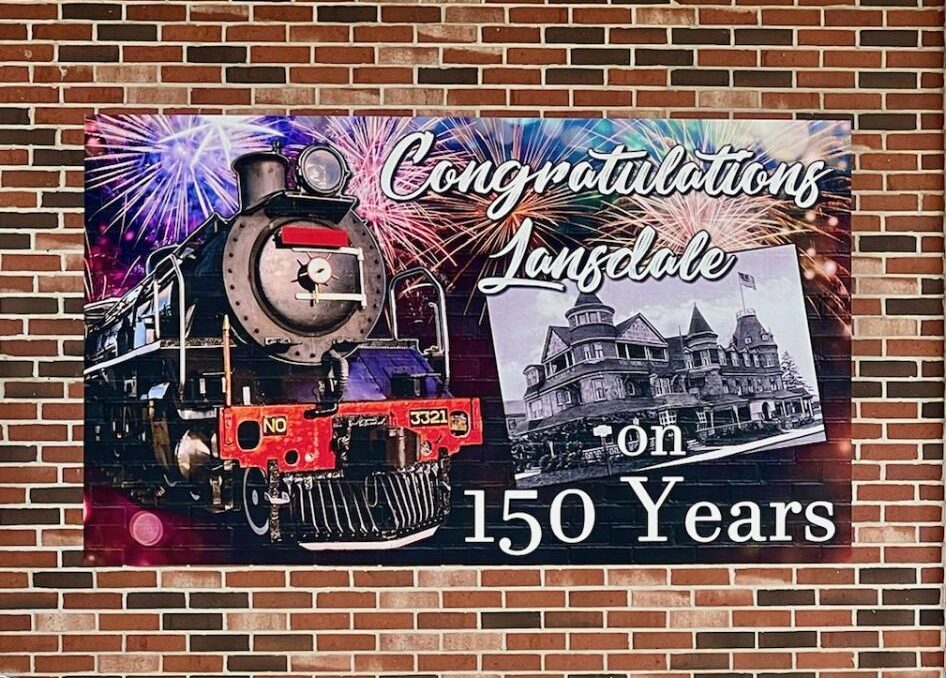 Messaging is an important part of large-crowd signage.
LARGE-SCALE PUBLIC events present enormous opportunities and unique challenges for the sign professional. While the opportunities are enticing, the challenges can be daunting: managing the movement of potentially hundreds of thousands of people, allowing for efficient response to emergency medical and safety events, enhancing sponsor visibility, and improving the overall experience for the attendee. In addition, you might only have one shot to get it right: The event could be one-off, so it’s important to carefully plan and execute a holistic signage strategy.
This article will discuss five key elements of a comprehensive signage approach: crowd movement and wayfinding, safety, branding, messaging, and experiential enhancement.
First, A Few Essential Guidelines
Events anticipating more than 500 attendees must have a documented crowd-control and safety plan, and signage is a key element of that plan. A critical first step is to partner with your local law enforcement and emergency responders to understand how and where signage can aid their work.
The design of signs should incorporate the use of QR codes whenever practical. As everyone has a cellphone these days, QR codes will link to apps developed for the event, including schedules, maps, security details and FAQs.
To ensure clear communication with both English-speaking and non-English-speaking attendees, incorporate pictograms alongside textual information. For instance, pairing a red cross with “Medical” or a question mark with “Information” makes use of universal symbols to deliver instructions efficiently and minimize confusion.

1 – Crowd Movement and Wayfinding
These should be the first steps in your plan. Many events will have a controlled perimeter and security checkpoints that attendees must clear. As a result, initial wayfinding signs need to be prominent along the approach to the venue. People will often gravitate to the first, most-visible checkpoint, which then creates a tremendous bottleneck, so the wayfinding signs should clearly identify all access points, allowing people to seek secondary entrance points. Clear identification of all entrances ensures orderly crowd flow and minimizes security delays, contributing to a safer and more enjoyable event experience.
2 – Safety
The reality is that emergency situations will occur whenever you have a large-scale event. Here, the goal of signage is to give emergency responders quick and accurate location information so that they can efficiently arrive at these time-critical scenes. One way to handle this is to create “addresses” throughout the event. For example, by putting large numbers high on light posts, the caller can provide the emergency dispatcher clear information on where to direct responders to that location: “I’m near #12.”

For larger events, the entire area can be cross-referenced using the chess board approach, with numbers running in the north-to-south direction and letters in the east-to-west direction. A caller can then pinpoint the response location to the dispatcher: “I’m near H-7.”
These address signs should be installed as high as feasible so that they are visible at a distance. Light poles are a natural placement point, but also consider the sides of buildings and the peaks of tents for placement. High flags should also be used at key locations throughout the event space.
3 – Branding
Organizers and sponsors recognize the tremendous branding opportunities these events represent, but may not be maximizing their exposure on the ground. Logos and names should be presented creatively, repeatedly and strategically. Using varying shapes, colors and materials will capture attention: No one wants to see plain rectangular signs in red and white across the location! Think circles, starbursts, triangles, waves — all in bright colors.
Advertisement
These logos will be seen by the participants, but they will also be leveraged for social media posts, television broadcasts and streaming services. Thoughtful placement of these marks will enhance the value to both the organizers and the sponsors. Create sight lines for photos that can be posted on social media and understand camera placements so that the logos are prominently displayed. When reviewing the space ahead of the event, look to create these areas for maximum visual impact.
4 – Messaging
In addition to branding objectives, event organizers frequently develop key messages they wish to communicate. Commemorative events, such as anniversaries of significant milestones, are often designed to honor foundational values and acknowledge the sacrifices of those involved — elements that can leave a lasting impression on attendees. Events centered around specific causes or historical celebrations typically incorporate educational components. Integrating a QR code that directs participants to descriptions and insights regarding the event’s significance can enhance this aspect.

For example, the QR code may provide access to a brief video explaining the background of the celebration, along with supplementary informational resources. This approach enables attendees to engage with the event’s message well beyond its physical boundaries, reinforcing its impact.
5 – Experiential Enhancement
Event organizers aim to create an unforgettable experience for attendees. We decorate our homes to enhance our lives and, with current technology, we can also decorate the outside world. Plan to incorporate photos, graphics and art in all spaces. Add colors and decorations to lamps, bollards, fences and stage surrounds — even wrap a building face! Transform outdoor areas with a fresh, vibrant look that gives it an unexpected new vibe and a new glow. We are only limited by our imagination.

These large outdoor events are complex and challenging but they provide a tremendous opportunity. With careful planning and deep attention to detail, creative signage can make the event run smoother, be safer, provide value to the sponsors and organizers, and improve the experience for the participants. This approach, if properly executed, takes signs from the tactical to the strategic to the experiential.
AdvertisementSecrets of Lead Generation
Boost your sales by generating more leads! In this light and lively webinar featuring Maggie Harlow, CEO of Signarama Louisville Downtown (Louisville, KY) and the “Business of Signs” columnist for Signs of the Times, learn the secrets of how leads are generated, where they come from and how you can cultivate better (not just more) leads.




Bulletins
Get the most important news and business ideas from Signs of the Times magazine's news bulletin.
-

 Women in Signs1 day ago
2026 Women in Signs Award Winners Anticipate Change
-

 Heidi Tillmanns1 week ago
Sign Designers Should Plan Like Builders
-

 Jameson Parker3 days ago
Signshop Layout, Part 3
-

 Women in Signs2 weeks ago
2026 Women in Signs: Lynsey Washington
-

 Women in Signs1 week ago
2026 Women in Signs: Dee Burkhardt
-

 Business Management4 days ago
Sign Company Investments of $10K, $50K and $100K
-

 Women in Signs1 week ago
2026 Women in Signs: Cathie Bozman
-
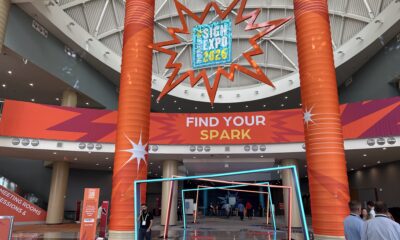
 News1 week ago
ISA International Sign Expo 2026 Report