Product Buying + Technology
Textured Printing for Signs
Printed images that truly lift off the page.
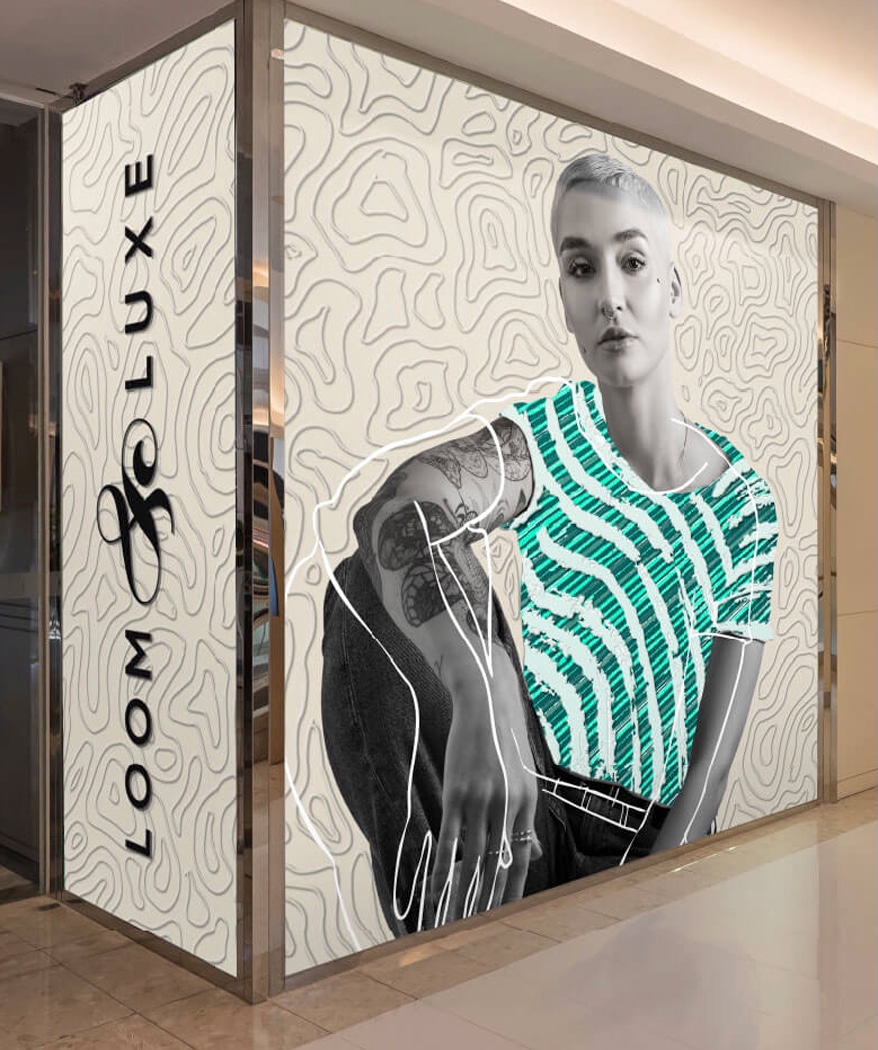 Prints with texture often convey a higher-end “feel,” as well as an actual, dimensional feel when touched.
ARE YOU LOOKINH FOR A way to really jazz up your digital prints? Printer companies are always seeking help in this department. Extended ink sets with specific spot colors, metallic colors and white ink for printing on dark media are a few methods by which the industry has addressed image ‘pop.’ There’s also another way to create snazzy images that few signmakers think about: textured printing.
Textured printing is pretty much what it sounds like. If, for example, you have an image of a football, how cool is it to have the beaded texture of that ball literally bead on the print? How about an oil painting print with actual raised brush strokes? That’s the idea of textured printing: to add physical depth to a 2D print.
Textured printing achieves this effect in a couple of ways. The easiest is to use a conventional inkjet printer and textured media. If you have ever made canvas prints, then you get the idea. Several manufacturers offer textured media. This, of course, might not raise certain sections of an image and is an all-or-nothing proposition.
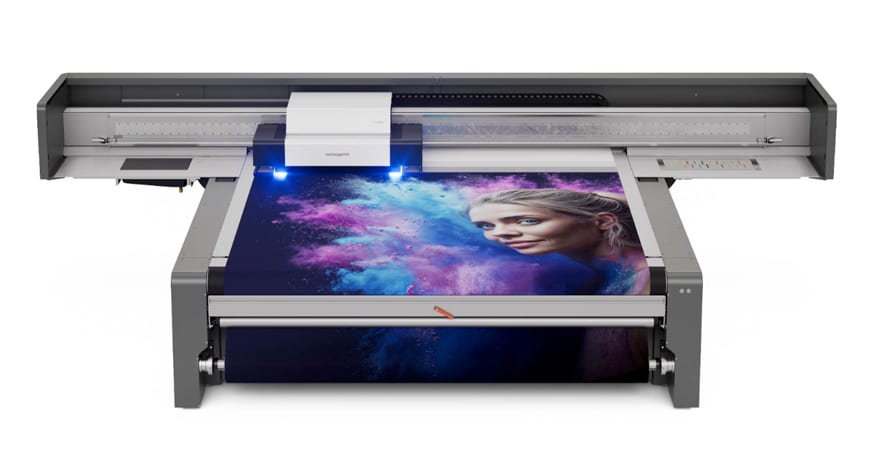
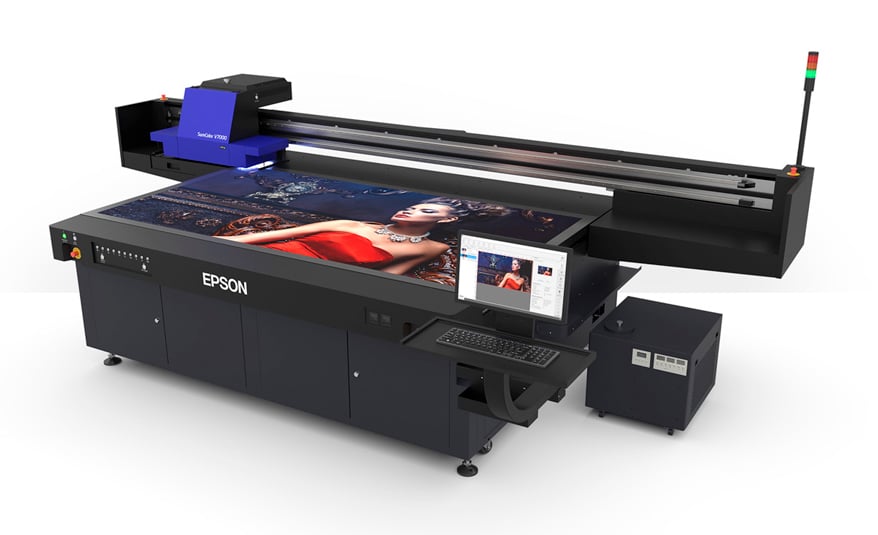
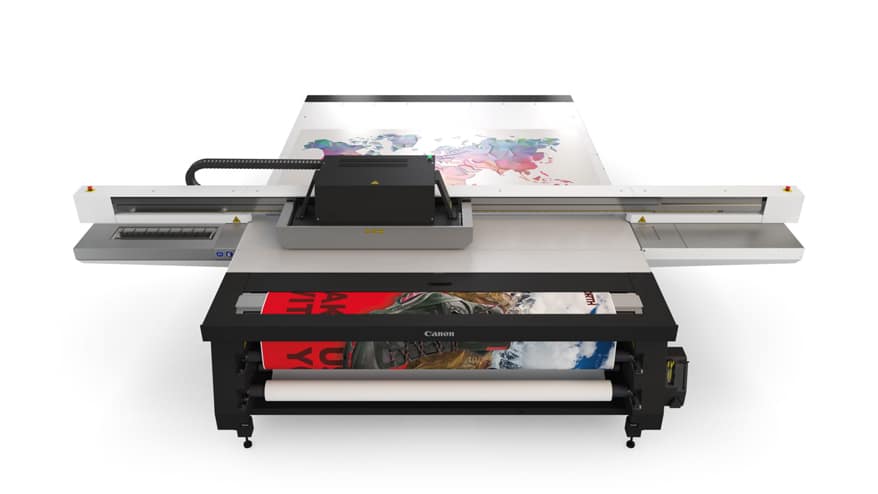
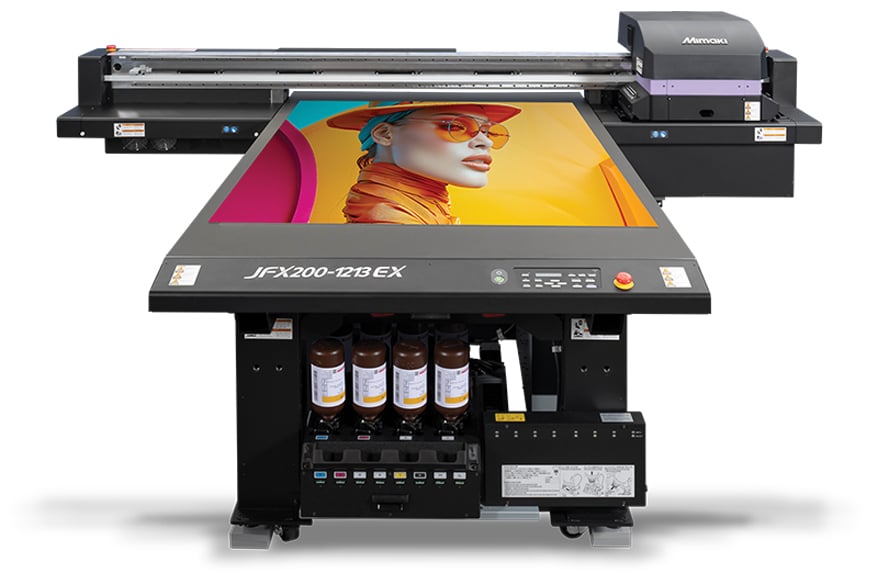
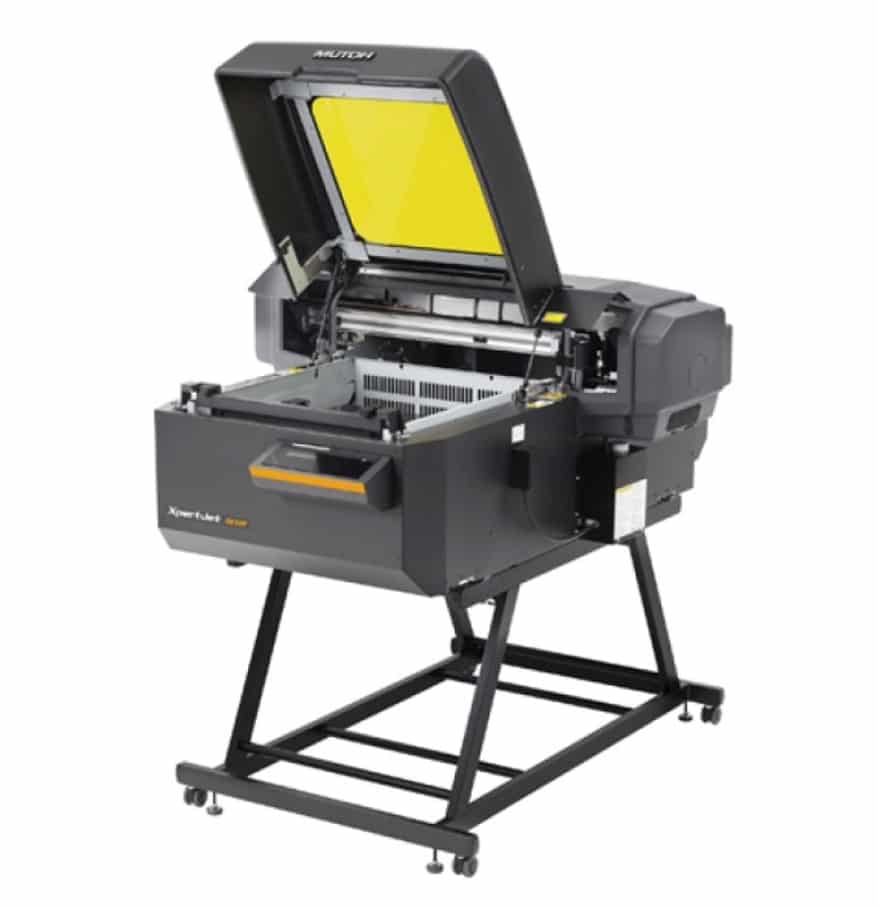
AdvertisementThere are two technologies suited to creating textured prints. The first, UV printing, uses a UV printer equipped with at least a varnish channel and optionally a white channel. You can overprint an area multiple times to build up the depth of the ink layer, thus providing actual tactile texture. You can print up to around .5 mm in height on the print. With UV ink, you can print on virtually anything, including promotional items. Image preparation relies on using an application to create a duplicate of the print, converting to grayscale and masking to the final area as needed. Both the depth map and image area are sent to the RIP for printing.
The second technology involves a purpose-built dimensional printer, which uses specialized media that puffs up as heat is applied. A stabilizing ink is used in the areas that need to stay flat. During the printing process, common inks such as CMYK can be overprinted on the media, so it is easy to create stunning images that literally pop off the media. The media height in the areas not stabilized is 2 mm, a considerable difference from UV printing. Since you need to use special media, printing directly on promotional items is not possible. The manufacturer will typically include the design and printing software. If you are looking to do wallcoverings, this is probably the way to go for large volumes.
Textured prints will provide a premium feel that your customers will love. The unique look of the prints should command top dollar, thus improving the old bottom line. If you want to go to a higher level for your customers, check out textured printing.
PHOTO GALLERY (6 IMAGES)


Secrets of Lead Generation
Boost your sales by generating more leads! In this light and lively webinar featuring Maggie Harlow, CEO of Signarama Louisville Downtown (Louisville, KY) and the “Business of Signs” columnist for Signs of the Times, learn the secrets of how leads are generated, where they come from and how you can cultivate better (not just more) leads.






Bulletins
Get the most important news and business ideas from Signs of the Times magazine's news bulletin.
-
 Benchmarks2 weeks ago
5 High-Performance Vehicle Graphics Projects
-
 Buzz Session1 week ago
Sign Pros on Bidding Too High and Turning Down Projects
-
 Paul Ingle2 weeks ago
120 Years of Signs, and I’ve Seen 41 (Mostly)
-
 News1 week ago
PRINTING United Expo 2026 Preview
-
 Signs of the Times1 week ago
August 1936 Signs of the Times Focused on Outdoor Advertising
-
 News1 week ago
Dean Blazek “Follow the Signs” Book Available
-

 News1 week ago
Neon Baby Chick Sign in Petaluma, CA Restored
-
 Education6 days ago
Building Signs, Building People